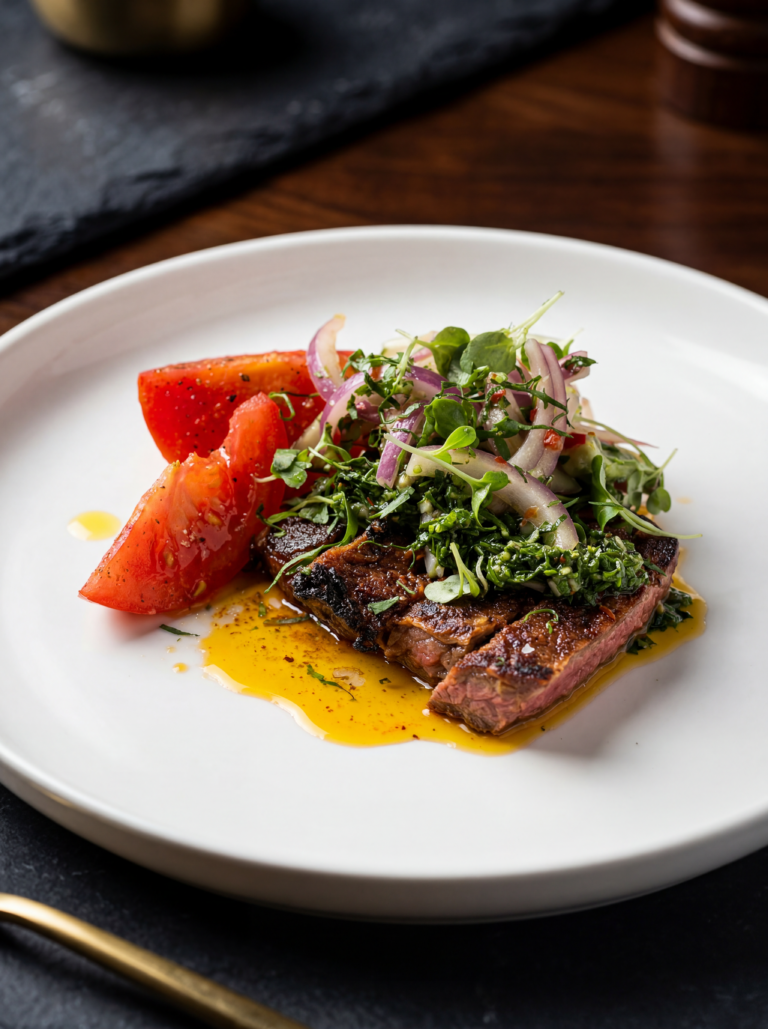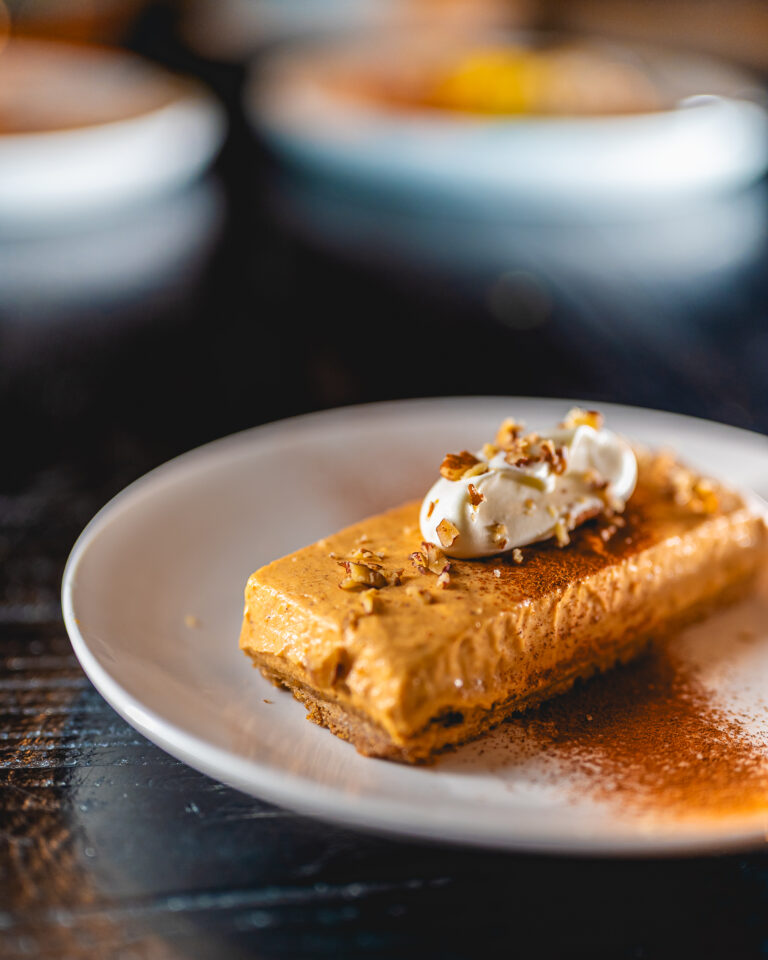
Sweet Potato Pierogies Sage Brown Butter
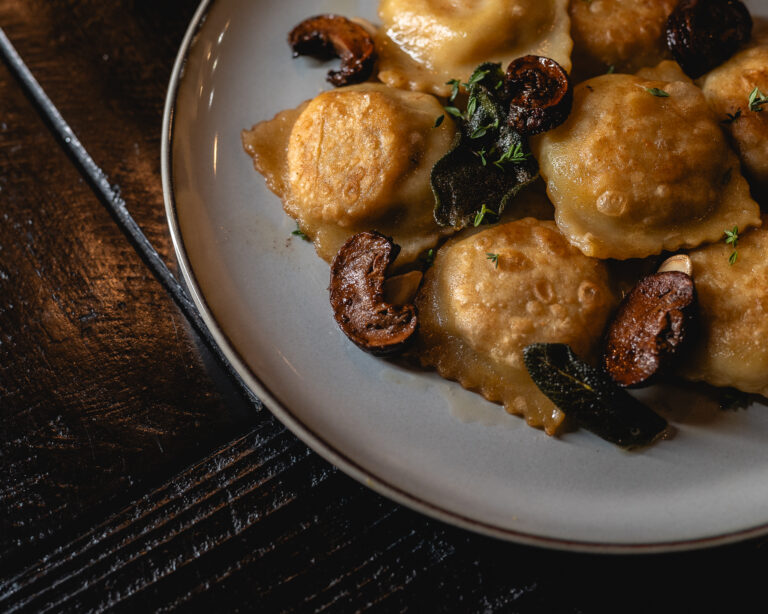
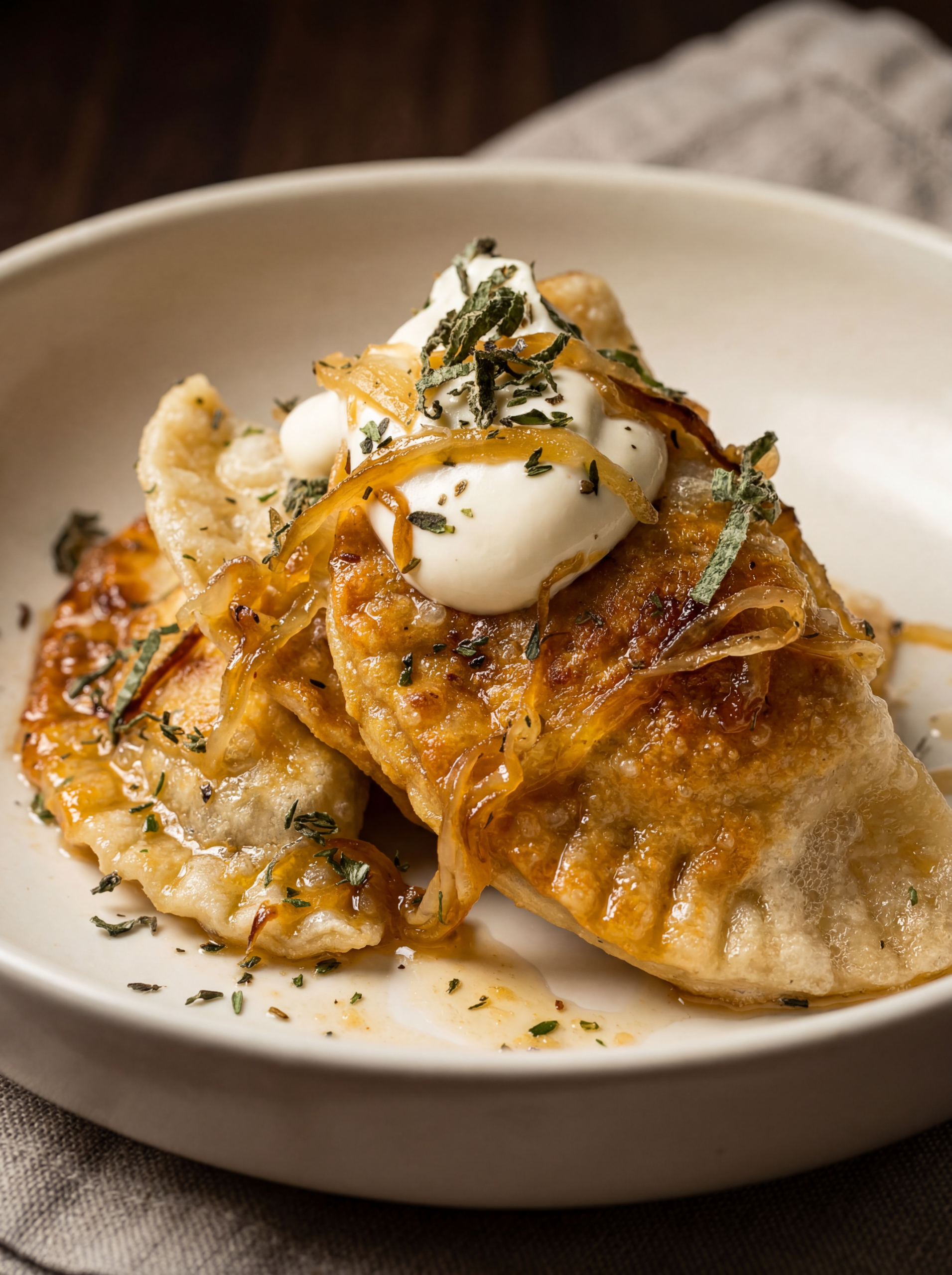
Sweet potato pierogies sage brown butter, plated for a private New Year’s Eve dinner in Boston’s Beacon Hill, December 31st.
Some links in this post are affiliate links. If you buy through them, I may earn a small commission at no cost to you. I only recommend gear I actually use in my private chef kitchen.
The apartment sat on Mount Vernon Street in a red-brick row house, four flights up, a kitchen the size of a galley and a dining room built for exactly eight. The host had hired me through Partum Events for a small NYE dinner with her husband and three other couples. Their brief was specific. Comfort food, but plated like it meant something. One vegetarian in the group. No big productions, no flaming desserts, no midnight spectacle. Just a meal that felt like an occasion.
I love that kind of brief. It gives you room to actually cook.
Sweet potato pierogies sage brown butter had been sitting in my notebook for months. Handmade pasta, sweet potato filling tuned with nutmeg and cream, caramelized onions, an herb cream sauce, and fresh sage crisped in nutty browned butter. It’s a first course that looks like someone put an hour into it because someone did. The table went quiet on the first bite. Six Boston adults, dressed for New Year’s Eve, fork still in hand. That’s the bar.
Why This Sweet Potato Pierogies Sage Brown Butter Recipe Works
Most people who make pierogies at home either buy the dough or rush the filling. I get it. However, both of those decisions will cost you.
The dough needs to rest for thirty minutes minimum. Skipping that step leaves the gluten fighting you when you try to roll it thin, and you end up with thick, chewy pockets instead of something delicate. The filling needs to cool completely before it goes anywhere near the dough. Hot filling steams the dough from the inside and turns everything gummy before it even hits the water.
The sage brown butter is where people also go wrong. They walk away from the pan. Butter goes from golden to scorched in about thirty seconds. Therefore, you have to watch it. Stay there. The second it smells nutty and the foam settles, pull the sage leaves and get the pan off the heat.
The herb cream sauce sounds like an afterthought. It’s not. It ties everything together. Without it the dish is good. With it the dish is the kind of thing people ask you about two weeks later.
What You Need for Sweet Potato Pierogies Sage Brown Butter
Flour. All-purpose, nothing fancy. You want a dough that’s workable, not artisanal.
Sour cream. This is what makes the dough pliable and slightly rich. Don’t skip it and don’t substitute Greek yogurt. They’re not the same.
Sweet potatoes. One large sweet potato is plenty for four servings. Cook it until it’s genuinely soft, not just fork-pierceable. The goal is a clean mash with no chunks.
Nutmeg. Use it. A small amount does quiet work in the filling. You’d miss it if it weren’t there but you can’t quite name it when it is.
Fresh sage. Fresh only. Dried sage in brown butter is a different, sadder thing. The leaves need to fry in the butter so they go crispy. That texture is part of the dish.
Heavy cream. For both the filling and the sauce. Don’t try to lighten either one. The richness is the point on a December night in Boston.
Yellow onions. Low and slow. There are no shortcuts here. If your onions are done in ten minutes, they’re not caramelized. They’re just cooked.
How to Make Sweet Potato Pierogies Sage Brown Butter
I arrived on Mount Vernon Street around three in the afternoon, snow on the sidewalk, the doorman in a Santa hat leftover from a party the day before. Their kitchen was narrow but well-kept. Gas range, good knives, a wine fridge that rattled. I had four hours before service and I used every one.
Start the Dough for Sweet Potato Pierogies Sage Brown Butter
First, I got the dough going. Flour and salt whisked together in a large bowl, then one egg, two tablespoons of sour cream, and warm water. I stirred it until a shaggy mess formed, then turned it out and kneaded it for five minutes. You feel it change. It goes from rough and sticky to smooth and a little silky. Then I wrapped it in plastic and left it alone for thirty minutes. That rest matters. The gluten relaxes and the dough becomes cooperative instead of argumentative.
💡 Rest the Dough: Gluten that hasn’t rested will spring back when you roll it, making thin sheets impossible and thick pierogies inevitable.
Caramelize the Onions
While the dough rested, I started the onions. One large yellow onion, sliced thin, into a pan with a tablespoon each of butter and olive oil over medium-low heat. Salt went in right away. A pinch of sugar too, because I was working against a clock and I wanted them to move faster. Forty-five minutes would have been ideal. I had twenty-five. They got there. I stirred them every few minutes and watched them go from pale to golden to that deep amber that means they’re actually done. After that, I set them aside and didn’t touch them again.
💡 Onion Patience: Turn the heat down lower than you think you need to. High heat cooks onions. Low heat transforms them.
Build the Sweet Potato Filling
The sweet potato filling came together fast. One large sweet potato, peeled, diced, into boiling salted water for about fifteen minutes until it was genuinely soft. I drained it, got it back into the pot off the heat, and mashed it with a tablespoon of butter, a splash of heavy cream, salt, pepper, and a small grating of nutmeg. I wanted it smooth and a little loose. Not a thick mash. It needs to be soft enough to scoop cleanly but not so wet that it soaks through the dough. I spread it out on a plate to cool faster. That step mattered. Warm filling will ruin your pierogies before you even boil them.
Roll, Fill, and Seal
Next, I rolled the dough. I divided it into two portions and rolled the first half out on a floured surface to about an eighth of an inch thick. Then I cut circles with a three-inch cutter. A small glass works if you don’t have a cutter. A tablespoon of filling in the center of each circle, then I folded the dough over into a half-moon and pressed the edges with a fork. Not hard. Just enough to seal. I kept the finished ones under a damp towel so they didn’t dry out while I worked through the rest.
If you’re making these for a party or doubling the batch, a stainless steel dumpling maker or pierogi press speeds the whole process up and gives you a clean crimped edge every time. I keep one in my kit for exactly this reason. Same fold, same seal, a fraction of the time.
💡 Cool the Filling First: Hot filling creates steam inside the sealed dough and softens the edges before they even hit the water, which means pierogies that fall apart in the pot.
Boil, Then Sauce
I got a large pot of salted water to a boil and dropped the pierogies in batches. They sink first, then float. When they float, give them another minute. Then pull them with a slotted spoon and set them aside.
The herb cream sauce was quick. A small saucepan, heavy cream over medium heat, then chives, parsley, and fresh thyme leaves stirred in. Two or three minutes at a simmer, just enough to thicken it slightly and let the herbs bloom into the cream. Salt and pepper. Done. I kept it on the lowest flame possible while I finished everything else.
Finish the Sweet Potato Pierogies Sage Brown Butter
Finally, the sage brown butter. I melted butter in the sauté pan over medium heat and added the fresh sage leaves. Foam came up, then started to settle. Within a minute, the butter shifted from yellow to gold to a deep amber-brown. My whole rented kitchen smelled like November in the best possible way. I pulled the sage leaves out onto a paper towel and took the pan off the heat. Then I added the boiled pierogies in batches and let them get golden on each side in what remained in the pan. About two minutes per side. You want color, not just warmed through.
💡 Brown Butter Timing: Pull it the second the foam settles and the smell turns nutty. If you wait for a visual cue, you’ve already waited too long.
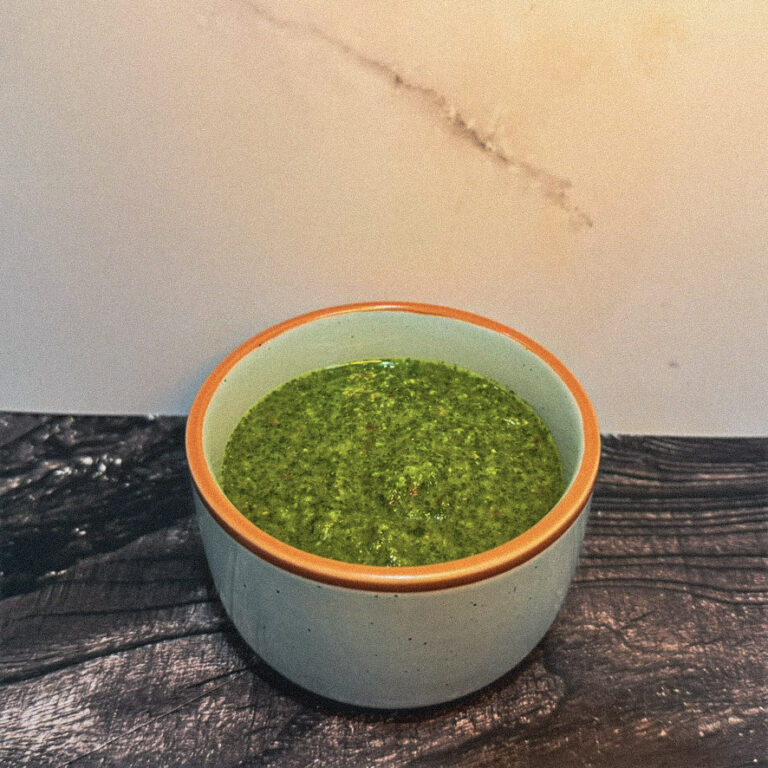
I plated them in a shallow bowl, three pierogies stacked in the center, a dollop of herb cream sauce on top, caramelized onions draped over, brown butter spooned around, and crumbled crispy sage scattered across. That table went quiet. Six people on Beacon Hill who had been talking over each other for an hour, and they just stopped. I’ll take that every time. For more on the brown butter technique itself, see my dedicated chimichurri sauce recipe for a similar story about simple sauces doing heavy lifting.
Chef’s Notes
Plating
Stack the pierogies in the center of the bowl. Dollop the herb cream sauce on top. Drape the caramelized onions over and around them. Finish with a drizzle of brown butter straight from the pan and crumbled crispy sage across the top. Don’t pile them. These are delicate. Give them room.
Wine
A white Burgundy or a good unoaked Chardonnay is the move here. The cream and brown butter need something with enough acidity to cut through, but not so aggressive that it fights the sweetness of the potato. An Alsatian Pinot Gris also works well and has a nice wintery thing going on.
Prep Ahead
Make the dough the day before, wrap it tightly, and refrigerate. The filling keeps for two days. The caramelized onions keep for a week. You can assemble the pierogies raw and refrigerate them for up to twenty-four hours. Boil them to order, then sauté. The herb cream sauce takes five minutes. Make it fresh.
Scaling
This recipe scales up cleanly. Double it for eight. For a large event format, assemble the pierogies a day ahead, boil them the morning of, and sauté to order in batches at service. You can make the brown butter in one large batch and hold it warm.
Swaps
Butternut squash works in place of sweet potato. A little maple syrup in the filling instead of nutmeg if you want something sweeter. For the herb cream sauce, tarragon instead of thyme pulls the whole thing in a different direction, a little more French, still great. If you want to skip the herb cream sauce entirely, just double the brown butter and add a squeeze of lemon at the end. That’s a simpler dish but still a very good one.
Sweet Potato Pierogies Sage Brown Butter
Ingredients
Equipment
Method
- In a large bowl, whisk together the flour and salt. Add the egg, sour cream, and warm water. Mix until a shaggy dough forms.
- Turn the dough out onto a lightly floured surface and knead for about 5 minutes until smooth and elastic.
- Wrap in plastic wrap and let rest at room temperature for at least 30 minutes.
- In a large skillet over medium-low heat, melt the butter with the olive oil.
- Add the sliced onions, salt, and optional sugar. Stir to coat.
- Cook, stirring occasionally, until the onion is deep golden and caramelized, about 25 to 30 minutes. Set aside.
- Place the diced sweet potatoes in a pot of salted water. Bring to a boil and cook until fork-tender, about 15 minutes. Drain well.
- Mash the sweet potatoes with butter, heavy cream, salt, pepper, and nutmeg until smooth.
- Spread the filling on a plate and let it cool completely before assembling.
- Divide the rested dough into two portions. Roll the first portion out on a floured surface to about 1/8 inch thick.
- Cut circles using a 3-inch cutter. Place about 1 tablespoon of cooled filling in the center of each circle.
- Fold the dough over into a half-moon shape. Press the edges together and seal with a fork, or use a stainless steel pierogi press for a faster, cleaner crimp. Keep finished pierogies under a damp towel. Repeat with the remaining dough.
- Bring a large pot of salted water to a boil. Cook pierogies in batches until they float to the surface, about 3 to 4 minutes. Remove with a slotted spoon.
- In a small saucepan, heat the heavy cream over medium heat. Stir in the chives, parsley, thyme, salt, and pepper.
- Simmer for 2 to 3 minutes until slightly thickened. Keep warm over very low heat.
- In a skillet over medium heat, melt the butter. Add the sage leaves. Cook, swirling the pan, until the butter turns golden amber and smells nutty, about 3 to 4 minutes.
- Remove the crispy sage leaves to a paper towel. Take the pan off the heat.
- Return the pan to medium heat. Add the boiled pierogies in batches and sear for about 2 minutes per side until golden.
- Spoon a pool of herb cream sauce onto each plate. Arrange the pierogies on top.
- Scatter caramelized onions over and around the pierogies. Drizzle with brown butter from the pan and garnish with crispy sage leaves. Serve immediately.
Notes
Filed Under: Equipment
Shop This Recipe

Cutco 1738 Gourmet Prep Knife
Check Price →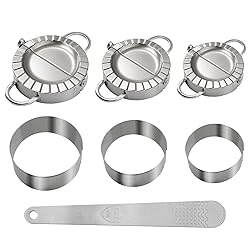
Stainless Steel Dumpling Maker Set
Check Price →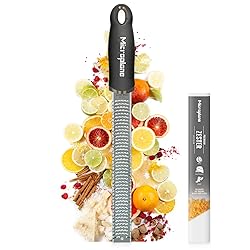
Microplane Zester Grater
Check Price →
Misen 5-Ply Stainless Steel Pan
Check Price →As an Amazon Associate I earn from qualifying purchases.
Dinner Party Dossier
Planning the whole dinner?
The Dossier is three complete multi-course menus from private chef events, built around what actually worked at the table. Shopping lists, prep timelines, plating notes, every component per course.
Open the Dossier — $27Did You Make This?
Rate this recipe.
If this recipe made it to your table, tap a star. It helps other home cooks find it.
Classified Access
Get the recipes before they’re public.
New case files. Chef’s notes. The stuff I don’t post anywhere else. Delivered weekly.