Mahi Mahi Coconut Curry with Roasted Root Vegetables and Fragrant Basmati Rice
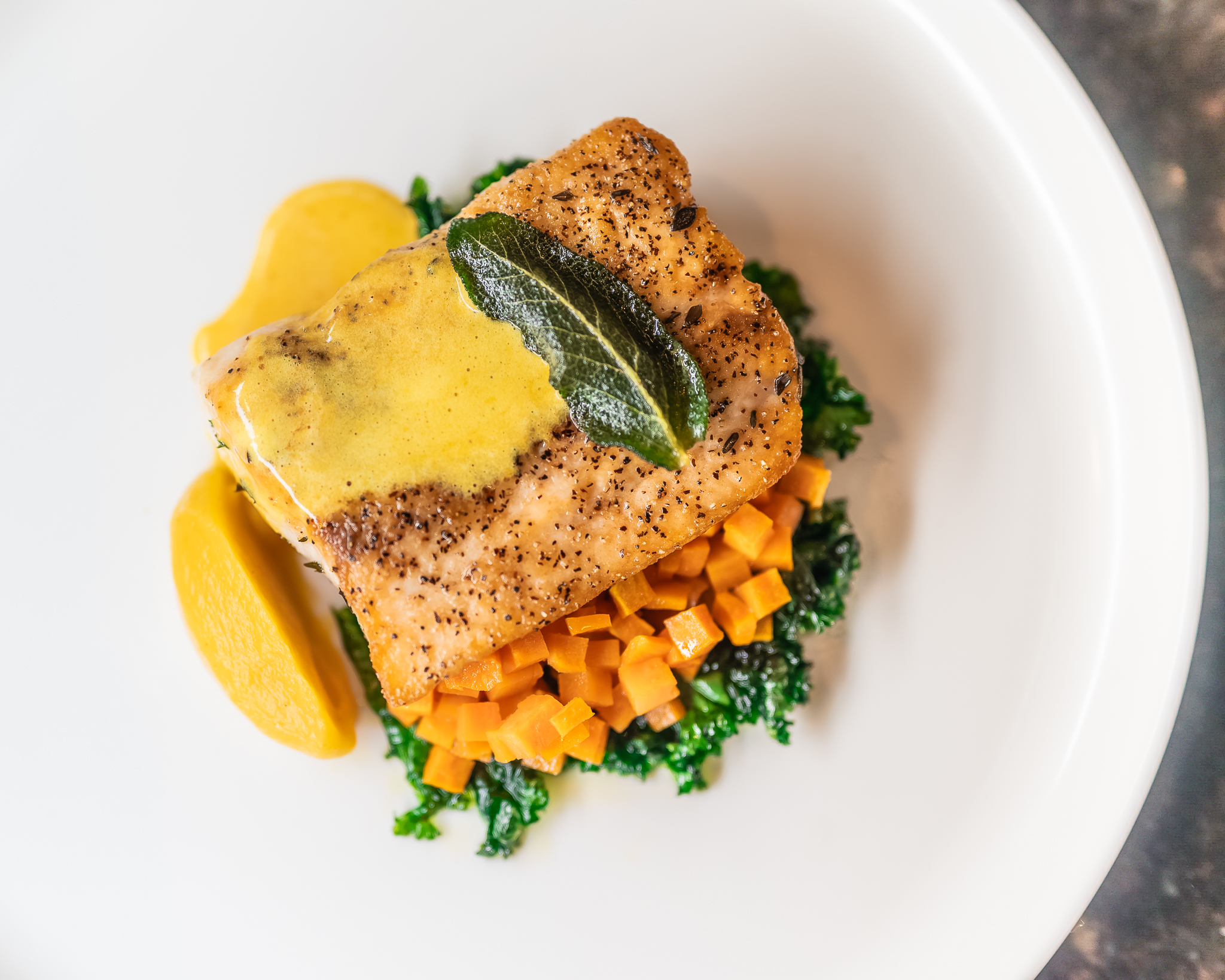
This mahi mahi coconut curry started the way most of my favorite dishes do. Not with a recipe, but with a feeling. It was one of those early spring evenings where the air still had some bite to it, and I wanted to cook something that felt warm and layered without being heavy. Something that would make a table of eight lean in a little closer to their plates.
I had beautiful mahi mahi fillets, a can of coconut milk, and a bag of root vegetables that were begging to be roasted. The rest came together the way cooking usually does when you stop overthinking it.
Why Mahi Mahi Coconut Curry Works Every Time
Not every fish belongs in a curry. Some are too delicate. They fall apart the second they hit the sauce and you end up with something closer to chowder than what you had in mind. Mahi mahi is different. It has a firm, almost meaty texture that holds its shape beautifully, and a clean, mild sweetness that plays well with bold flavors rather than fighting them.
When you pair it with a green coconut curry sauce, something interesting happens. The richness of the coconut milk wraps around the fish without masking it. The green curry paste brings heat, but it also brings this complex herbal quality from the lemongrass, galangal, and makrut lime leaves packed into it. The mahi mahi absorbs all of that and still tastes like itself.
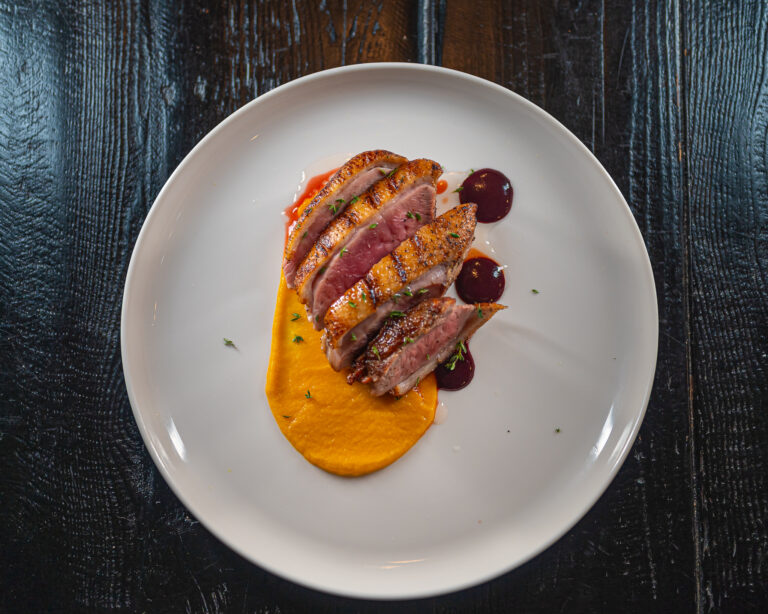
I’ve made this dish with other proteins. Chicken thighs work. (My duck breast with cherry port wine sauce takes a similar approach to building bold flavors around a single protein.) Shrimp is good if you time it carefully. But mahi mahi is the one I keep coming back to because it strikes that balance between substantial and light that makes a plate feel complete without feeling like too much.
The Story Behind This Plate
I cook for a living, and one of the things that keeps it interesting is that no two dinners are the same. The people change, the seasons change, and the dishes change with them. Running Partum Events means I get to cook for all kinds of people with all kinds of cravings, and that’s where the best dishes tend to come from.
This particular combination came together for a dinner in late March. The couple hosting had traveled through Southeast Asia years ago and wanted something that reminded them of those meals without being a strict recreation of any one dish. They also mentioned that they loved root vegetables, which isn’t something you hear in the same sentence as Thai curry very often.
That’s what made it click for me. The curry would bring the warmth and the aromatics. The roasted root vegetables would bring earthiness and texture. And the basmati rice would tie it all together, catching the sauce and giving every bite a foundation.
The first time I plated it, I knew it worked. The colors alone told me. Golden curry pooling around a piece of seared mahi mahi, a scattering of caramelized root vegetables with their deep, roasted edges, and a mound of rice flecked with whole spices. It looked like a dish that had intention behind it, and it tasted that way too.
Building the Mahi Mahi Coconut Curry Sauce
The sauce is the backbone of this mahi mahi coconut curry plate, so it deserves some attention.
I start with aromatics. Shallots, minced fine, go into a wide pan with a bit of coconut oil over medium heat. Once they’re soft and translucent, I add fresh ginger and garlic. Not from a jar. Fresh matters here because you’re building the flavor base for the entire dish, and the bright, sharp bite of fresh ginger is something the pre-minced stuff simply cannot replicate.
Next comes the green curry paste. I use about two tablespoons for four servings, but this is one of those things you should taste as you go. Some brands run hotter than others, and some run saltier. Stir the paste into the aromatics and let it cook for a minute or two until it becomes fragrant. You’ll know it’s ready because the kitchen will smell incredible.
Then the coconut milk goes in. Full fat, always. The light versions don’t have enough body to create a proper sauce. I use one full can, stirring it into the curry paste until everything is smooth and unified. A splash of fish sauce adds depth. A squeeze of lime juice adds brightness. And a small spoonful of coconut sugar or brown sugar rounds out any sharp edges.
Let the sauce simmer gently for about ten minutes. It will reduce slightly and the flavors will come together in a way that tastes more cohesive than when you first combined them. That’s the difference between a sauce that was thrown together and one that was built. Taste it. Adjust the salt, the acid, the heat. This is your moment to make it exactly right.
Some people add vegetables directly to the curry. I keep my root vegetables separate (more on that in a minute), but I do like to add a handful of fresh Thai basil or regular basil right at the end. It wilts into the sauce and adds this anise-like brightness that lifts everything.
Roasted Root Vegetables That Hold Their Own
Roasting root vegetables is one of the simplest things you can do in a kitchen, and also one of the most rewarding. High heat, a little oil, salt, and time. That’s it. The sugars in the vegetables caramelize, the edges get crisp, and the insides go tender and sweet.
For this plate, I use a mix of carrots, parsnips, sweet potatoes, and turnips. Cut them into roughly the same size so they cook evenly. Toss them with olive oil, salt, pepper, and just a pinch of cumin. The cumin is subtle but it creates a bridge between the roasted vegetables and the curry. It’s a shared note that makes the two components feel like they belong on the same plate even though they were cooked separately.
Spread them on a sheet pan in a single layer. This part matters. If you crowd the pan, the vegetables will steam instead of roast, and you’ll end up with something soft and pale rather than caramelized and golden. Use two pans if you need to.
Roast at 425 degrees for about 30 to 35 minutes, turning them once halfway through. You want deep color on the edges and a fork-tender center. The parsnips will caramelize the most because of their natural sugars. The sweet potatoes will get creamy inside. The carrots will hold a little bit of bite, which is exactly what you want for contrast.
When they come out of the oven, hit them with a squeeze of lemon juice while they’re still hot. The acid brightens everything and keeps them from tasting one-dimensional.
Fragrant Basmati Rice: The Quiet Foundation
Rice might seem like an afterthought, but it’s the thing that makes this plate work as a composed meal rather than three separate components sitting next to each other.
I rinse basmati rice until the water runs clear. This removes the excess starch and gives you grains that cook up fluffy and separate rather than sticky and clumped. Then I toast the rice in a little butter with a few whole spices. A cinnamon stick, three or four cardamom pods (lightly crushed), and a bay leaf. The butter coats the grains and the spices release their oils, perfuming the rice as it cooks.
Add water at a ratio of one and a half cups to every cup of rice. A pinch of salt. Bring it to a boil, then drop the heat to the lowest setting, cover the pot, and leave it alone for 15 minutes. Don’t lift the lid. Don’t stir it. Just let the steam do its work.
After 15 minutes, turn off the heat and let the rice sit covered for another five. Then fluff it with a fork and remove the whole spices. What you’ll have is rice that smells like something special. Not flavored rice, not seasoned rice, just rice that has been treated with a little more care than usual. It catches the curry sauce beautifully and provides a neutral, aromatic base that lets everything else on the plate shine.
How to Cook the Mahi Mahi
The fish is the centerpiece of this mahi mahi coconut curry, so it deserves to be cooked well.
Pat the fillets completely dry with paper towels. Season both sides with salt and pepper. Heat a skillet (cast iron if you have it) over medium-high heat with a thin layer of high-heat oil. Avocado oil or grapeseed oil both work.
Lay the fillets in the pan presentation side down. Don’t touch them. Let them sear for three to four minutes until a golden crust forms. Flip once and cook for another two to three minutes depending on the thickness. You want the fish to be opaque throughout but still moist. If you have an instant-read thermometer, pull it at 137 degrees. It will carry over to 140 to 145 as it rests.
The sear gives you flavor and texture that you lose if you poach the fish directly in the curry. I want that contrast on the plate. A crisp, golden exterior giving way to tender, flaky fish, all sitting in a pool of silky green coconut curry.
How to Plate Mahi Mahi Coconut Curry
This is where the cooking ends and the composing begins.
Start with a generous scoop of rice, slightly off-center. Ladle the curry sauce around and over the rice, creating a pool. Set the mahi mahi on top of or just beside the rice. Arrange the roasted root vegetables around the plate, letting some of them lean against the fish and some rest in the sauce.
Finish with a few leaves of fresh Thai basil, a thin slice of red chili if you want a pop of color and a little extra heat, and a wedge of lime on the side. The lime is not decorative. It’s functional. A squeeze of fresh lime over everything just before eating wakes up every flavor on the plate.
Tips for Making This Ahead
If you’re cooking for guests or simply want to split the work across two days, this meal lends itself well to advance preparation.
The curry sauce can be made a day ahead and refrigerated. In fact, it often tastes better the next day as the flavors continue to meld. Reheat it gently over low heat and add the basil fresh just before serving.
The root vegetables can be prepped (peeled, cut, tossed with oil and seasoning) and stored in the refrigerator on the sheet pan, covered. Roast them the day of so they’re hot and caramelized when you plate.
The rice is best cooked fresh, but it only takes 20 minutes from start to finish, so it’s easy to time alongside the fish.
The mahi mahi should always be cooked right before serving. Fish doesn’t reheat well, and the sear is at its best when it goes from pan to plate.
A Few Notes on Sourcing
Mahi mahi is widely available at good fish counters and most grocery stores. Look for fillets that are firm, with a clean ocean smell and no discoloration. If your fishmonger has wild-caught, go with that. Frozen mahi mahi is also perfectly fine as long as you thaw it properly in the refrigerator overnight and pat it very dry before cooking.
For the curry paste, I like the Thai Kitchen or Mae Ploy brands. Both are easy to find and consistent in quality. If you have access to an Asian grocery store, you’ll find even more options and they tend to be more complex in flavor.
Full-fat coconut milk makes a real difference in this dish. I usually reach for Thai Kitchen or Aroy-D. Give the can a good shake before opening, or whisk it together if it has separated.
Chef’s Notes
Plating: Wide shallow bowl is ideal. Scoop rice slightly off-center. Ladle the curry sauce around it, not over it. Lay the mahi mahi on top, presentation side up. Fan the root vegetables to one side. A few fresh Thai basil leaves, a thin chili slice if you want the heat to be visible, and a small drizzle of straight coconut milk to finish. That white ribbon against the golden curry is the reason people stop and grab their phones before they eat.
Wine: Dry Riesling or off-dry Gewürztraminer. You need fruit to meet the coconut and enough acid to cut through the richness. If you want beer, go cold lager. Skip the IPAs. The bitterness fights the curry.
Prep ahead: Make the curry sauce the night before. It genuinely tastes better the next day once the spices have had time to settle. Root vegetables can be peeled, cut, tossed in oil and stored raw overnight. Rice cooks in 20 minutes so just do it fresh. Always cook the mahi mahi right before you serve. Fish doesn’t wait.
Feeding more people: This scales easily. Double or triple the curry sauce and root vegetables with no changes to the technique. Sear the mahi mahi in batches and hold finished fillets on a wire rack in a 200-degree oven while you work through the rest. Do not crowd the pan or you’ll steam the fish instead of searing it.
Swaps: No mahi mahi? Halibut or cod both work well here. For the root vegetables, sweet potato only is a strong call if you want something more uniform in flavor. For a vegetarian version, pan-seared tofu holds up in this curry better than you would expect.
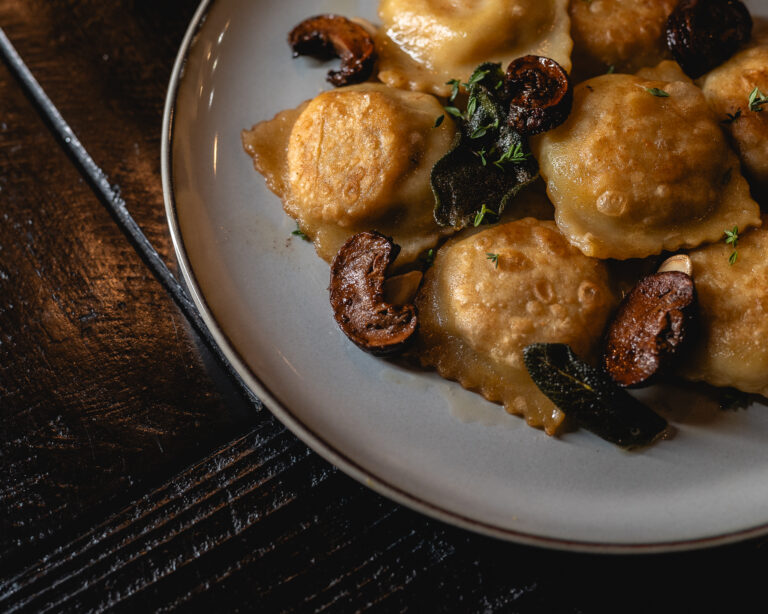
If you want more plates that feel like this mahi mahi coconut curry, duck breast with cherry port wine sauce and butternut squash ravioli are both worth adding to your rotation. Different techniques, same idea. Composed plates that look like more work than they are.
Mahi Mahi Coconut Curry with Roasted Root Vegetables and Fragrant Basmati Rice
Ingredients
Method
- Preheat oven to 425 degrees F. Toss diced carrots, parsnips, sweet potatoes, and turnips with olive oil, salt, pepper, and cumin.
- Spread in a single layer on a sheet pan. Use two pans if needed to avoid crowding. Roast for 30 to 35 minutes, turning once halfway through, until caramelized and fork-tender.
- Squeeze lemon juice over the vegetables while still hot.
- Toast rinsed basmati rice in butter with the cinnamon stick, cardamom pods, and bay leaf over medium heat for 1 to 2 minutes.
- Add water and a pinch of salt. Bring to a boil, then reduce heat to lowest setting, cover, and cook for 15 minutes without lifting the lid.
- Remove from heat and let sit covered for 5 minutes. Fluff with a fork and remove the whole spices.
- Cook minced shallots in coconut oil over medium heat until soft and translucent. Add garlic and ginger, cook for 1 minute.
- Stir in green curry paste and cook for 1 to 2 minutes until fragrant.
- Pour in coconut milk and stir until smooth. Add fish sauce, lime juice, and coconut sugar. Simmer gently for 10 minutes.
- Taste and adjust salt, acid, and heat. Stir in fresh basil just before serving.
- Pat fillets completely dry with paper towels. Season both sides with salt and pepper.
- Heat oil in a skillet (cast iron preferred) over medium-high heat. Sear fillets presentation side down for 3 to 4 minutes until a golden crust forms.
- Flip once and cook for 2 to 3 more minutes. Pull at 137 degrees.
Notes
I’m Paige Gilbert, the chef behind The Chef Files and Partum Events, where I cook private dinners, events, and meal prep in Newport, Rhode Island and the surrounding areas. This dish is one of the plates I come back to again and again.
Filed Under: Equipment
Shop This Recipe

OXO Nonstick 12″ Wok
Check Price →
OXO Good Grips Fish Turner
Check Price →
AROMA Digital Rice Cooker
Check Price →
All-Clad D3 Sauce Pan, 2 Qt
Check Price →As an Amazon Associate I earn from qualifying purchases.